Mostreno · Guides · Flooring

The flooring guide.

Every material available in Dubai, what each one actually survives, how it should be laid, and what has to happen to the subfloor first. Read it before you choose.

01Choosing by room

Different rooms want different floors.

One material through the whole apartment reads calm and simplifies the job, but it will compromise somewhere. Most homes end up with two: a hard floor through the living areas and something warmer in the bedrooms.

01
Living rooms
engineered wood or a large-format tile. Warmth matters more than water resistance
02
Kitchens
porcelain or vinyl plank. It will get dropped on, spilled on and mopped constantly
03
Bathrooms
porcelain with a wet slip rating. Nothing else is worth the risk
04
Bedrooms
carpet or wood. The two places acoustic comfort is actually noticed
05
Balconies and terraces
external-grade porcelain or stone. Dubai sun destroys anything not rated for it

02The materials

Eight options, and most homes use two of them.

Every material below is available in Dubai and every one of them is priced per square metre plus laying. The gap between the cheapest and the most expensive is roughly ten times, and most of that is material rather than labour.

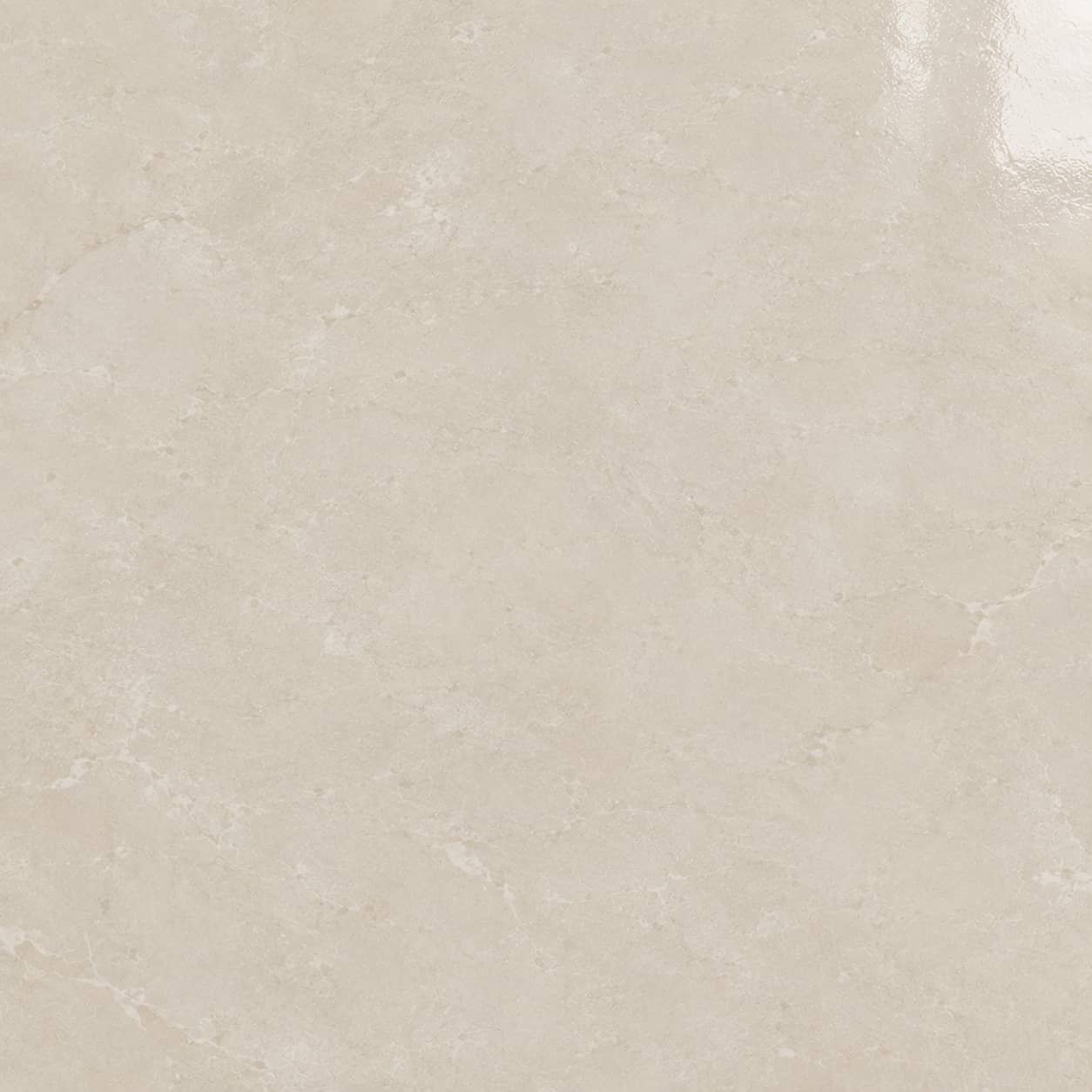
Porcelain tile sample
Porcelain tile
The Dubai default. Hardest wearing, works with underfloor heating, cool underfoot.
Ceramic tile sample
Ceramic tile
Softer and cheaper than porcelain. Fine on walls and light-traffic floors.
Natural stone sample
Natural stone
Marble, granite, travertine, slate. Unique, adds value, needs sealing.
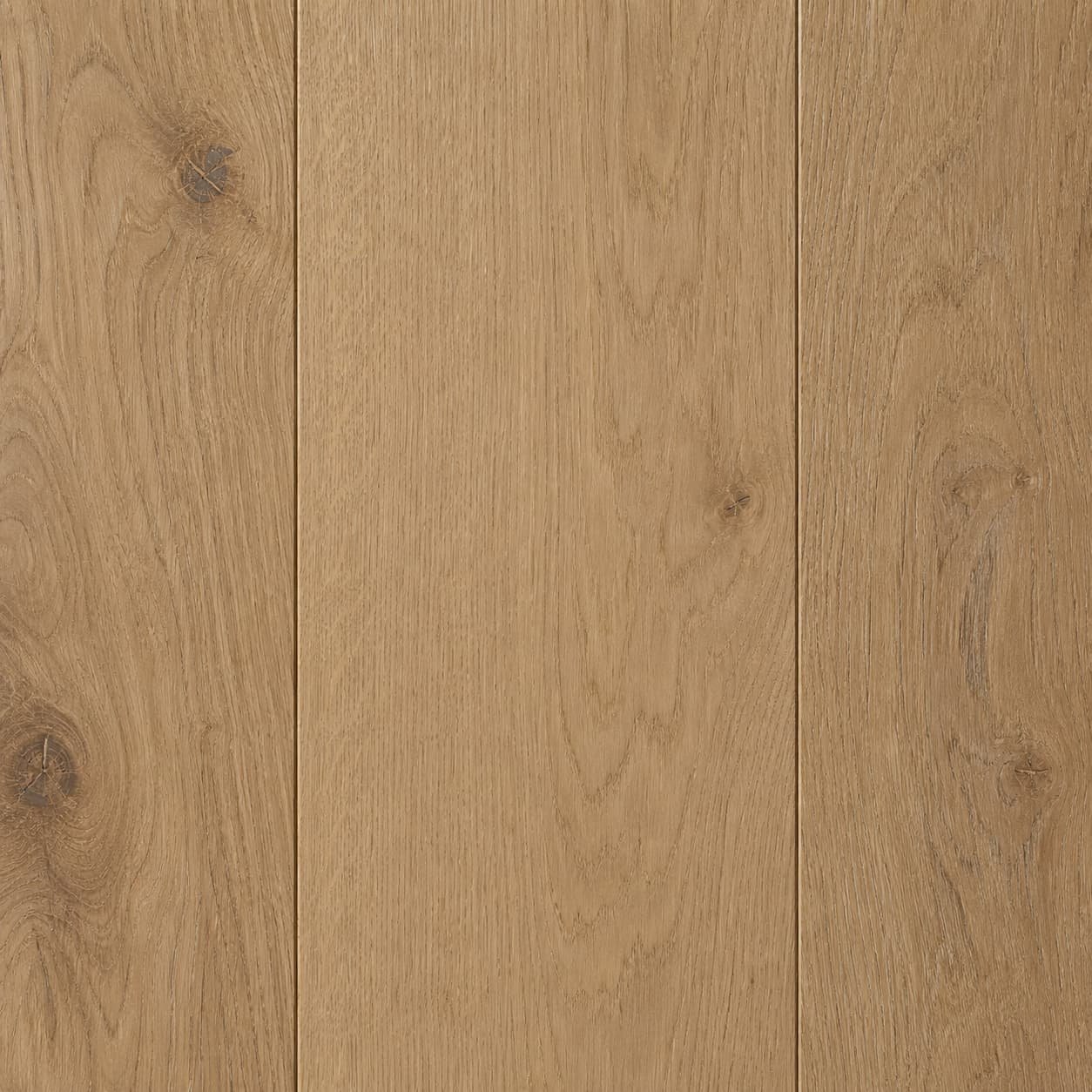
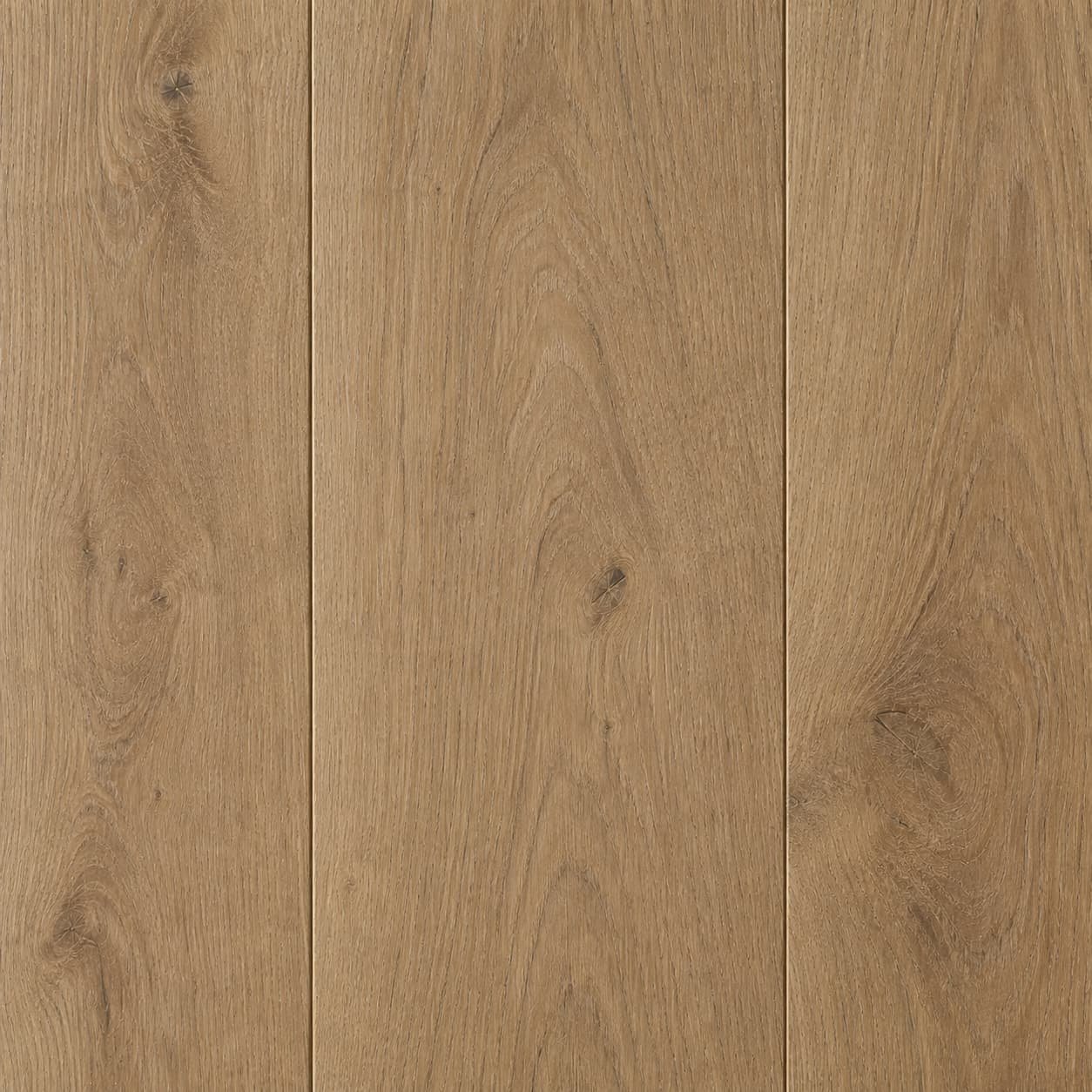
Engineered wood sample
Engineered wood
Real veneer over ply. Warm underfoot and more stable than solid timber in humidity.
Laminate sample
Laminate
Photographic layer over fibreboard. Cheapest wood look, no water tolerance.
Vinyl plank sample
Vinyl plank
Fully waterproof, quiet, forgiving. The best value in a rental property.
Microcement sample
Microcement
Poured over the existing floor. No joints anywhere, and no tolerance for a bad applicator.
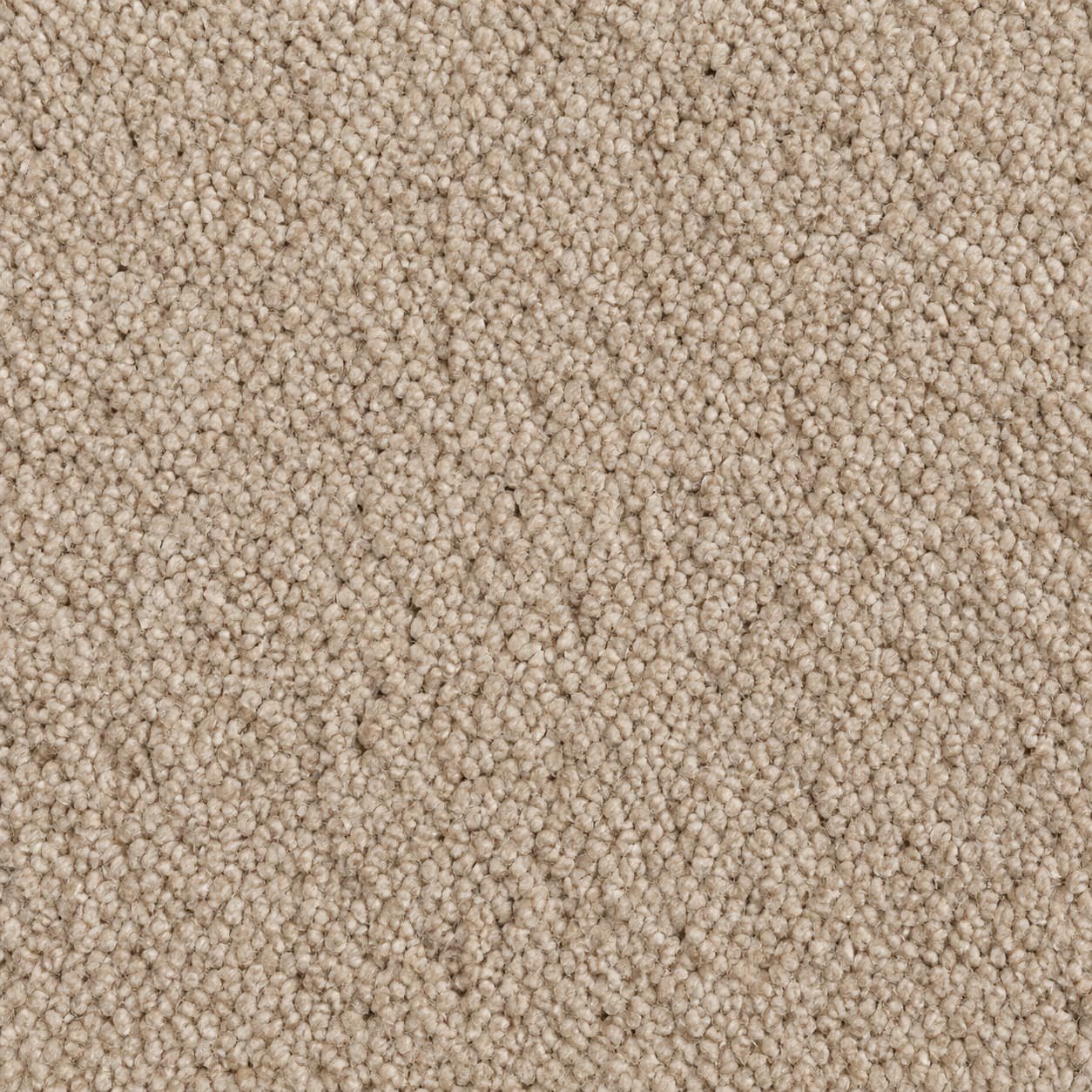
Carpet sample
Carpet
Warmth and silence. Bedrooms and offices only, in this climate.

03Porcelain tile

The default, and usually the right answer.

Fired harder and denser than ceramic, which is why it survives a hallway and a balcony. Check the slip rating for wet areas and the thickness if it is going over underfloor heating.

Finishes
Matte
Low sheen, hides marks, the safe default.
Polished
High shine. Slippery when wet, stunning when dry.
Textured / anti-slip
Bathrooms, balconies, anywhere that gets wet.
Stone-look
Marble and travertine effects without the sealing.
Wood-look
Plank format, timber appearance, tile durability.
Why it wins
01
Bathrooms, kitchens and hallways
the three hardest floors in a home
02
Scratch resistant and easy to clean
no sealing, no oiling, no refinishing
03
Works with underfloor heating
conducts well and does not move
04
Resistant to moisture, stains and scratches
the reason it dominates in this climate
05
Low maintenance
a mop, and nothing else, for its whole life

04Ceramic tile

Cheaper, softer, still useful.

Fired at a lower temperature than porcelain, so it is more porous and chips more easily. Perfectly good on walls and in a guest bathroom; not what you want in a hallway.

Finishes
Glossy
Bright and reflective, good in a dark room.
Matte
Soft finish, subtle, forgiving.
Textured
Grip and visual interest for wet areas.
Patterned
Decorative prints. Best used on one small area.
Features
01
Affordable and widely available
every supplier in Al Quoz stocks it
02
Easy to clean and maintain
same as porcelain in daily use
03
Suitable for walls and floors
the same tile can do both
04
Kitchens, guest bathrooms and light outdoor use
not high-traffic floors

05Natural stone

Unique, expensive, and it needs looking after.

No two pieces are the same, which is the point and also the problem — order the full quantity in one batch or the second delivery will not match.

Types
Marble
Polished, veined, luxurious. Etches with anything acidic.
Granite
Speckled and extremely hard. Polished or honed.
Travertine
Warm tones, naturally pitted, matte. Needs filling.
Slate
Rustic, riven texture, earthy. Excellent grip.
Features
01
Unique, one-of-a-kind patterns
no two slabs match
02
Long lasting and adds property value
the finish buyers notice
03
Cool underfoot
genuinely useful in a Dubai summer
04
Requires sealing
on installation and then periodically, or it stains

06Engineered wood

Real timber that survives humidity.

A hardwood veneer bonded to plywood layers running crosswise, which is what stops it cupping when the air conditioning goes off. Solid timber does not survive Dubai.

Finishes
Matte
Natural, minimal sheen, hides scuffs.
Satin
Balanced shine, warm, the common choice.
Glossy
High shine and high maintenance.
Wire-brushed
Grain raised and textured. Hides wear best of all.
Features
01
Real hardwood veneer over a plywood base
it is genuine timber on top
02
More stable than solid wood in humidity
the reason it is specified here
03
Click-lock installation
floating over underlay, no adhesive
04
Can be refinished
once or twice, depending on veneer thickness

07Laminate

The cheapest convincing wood look.

A photograph of timber under a wear layer, on a fibreboard core. It looks better than it used to and it still cannot take standing water.

Finishes
Woodgrain
Embossed textures matched to the print.
Stone-look
Marble and slate prints in tile format.
Matte
Subtle and natural looking.
Glossy
Sleek, and shows every scratch.
Features
01
Durable and scratch resistant
the wear layer is genuinely tough
02
Click-lock installation
the fastest floor to lay, by a distance
03
Resistant to fading and stains
holds colour under strong light
04
Cost effective
a fraction of engineered wood for a similar look

08Vinyl plank

Waterproof, quiet, and better than it sounds.

Luxury vinyl plank is the most practical floor for a rental or a family apartment. It takes water, absorbs sound and forgives a dropped pan.

Finishes
Wood-look
Detailed grain, convincing at floor level.
Stone-look
Smooth or textured stone effects.
Matte
Understated and natural.
Glossy
Polished, sleek, more reflective than most want.
Features
01
Waterproof
kitchens, bathrooms and laundry areas without hesitation
02
Easy to clean and maintain
no sealing, no special products
03
Comfortable underfoot with sound absorption
the quietest hard floor
04
Simple installation
click-lock over most existing floors

09Microcement

No joints anywhere, and no margin for error.

A cement-based coating two to three millimetres thick, applied over what is already there. Beautiful when done well; cracked and blotchy when not. The applicator matters more than the product.

Finishes
Matte
Soft, contemporary, the usual choice.
Satin
A subtle sheen, slightly easier to clean.
Textured
Light roughness for grip and character.
Features
01
Ultra-thin coating over existing floors
no demolition, no height gain
02
Waterproof and stain resistant
once sealed, suitable for wet rooms
03
Indoor and outdoor
the same system works on a terrace
04
Custom colours and seamless application
no grout lines at all

10Carpet

Warmth and silence, in the right rooms only.

In Dubai, carpet belongs in bedrooms and offices. Anywhere it can get damp, it will hold the damp.

Pile types
Cut pile
Plush and soft. Shows footprints.
Loop pile
Neat and hard-wearing.
Berber
Thick loops. The most durable option.
Saxony
Smooth, dense, formal.
Patterned
Texture and design, hides wear.
Features
01
Comfort and warmth underfoot
the one floor that is pleasant barefoot in winter
02
Reduces noise and echo
the reason apartments specify it in bedrooms
03
Wide range of colours and patterns
the most choice of any flooring
04
Bedrooms, living rooms and offices
never a bathroom or a kitchen

11Laying patterns

The same tile, laid four ways, is four different floors.

Pattern is where labour cost lives. A straight lay and a herringbone use the same tile and can differ by half again on the fitting, plus more waste from cutting.

Straight / stack
Grid lines run through in both directions. Unforgiving of a wall that is not square.
Brick / offset
Each row shifted by half. Hides slight size variation between tiles.
Third offset
A third rather than a half. The standard for long plank formats — a half offset on long planks lippages.
Herringbone
90-degree pairs laid at 45. Roughly double the labour and a third more waste.
Chevron
Planks mitred so the points meet. Cut at the factory, so the material costs more.
Diagonal
Turned 45 degrees to the walls. Makes a narrow room read wider, adds cutting waste.

12Subfloor and installation

What goes underneath decides how long it lasts.

Most flooring failures are subfloor failures. A floor laid over an uneven or damp screed will lift, crack or drum no matter what was paid for the material.

01
Check the building rules first
many Dubai towers require acoustic underlay under hard flooring, and a few prohibit it above ground floor entirely
02
Level the screed
tile tolerates about 3mm over 2m; click-lock planks tolerate less
03
Moisture test before timber or vinyl
a new screed can hold water for weeks
04
Acoustic underlay where required
it also makes any floor quieter to walk on
05
Expansion gaps at every wall
floating floors move, and a pinched floor buckles
06
Movement joints on large tiled areas
over roughly 8m in one run, or in strong sunlight
Questions

What homeowners ask first.

Which flooring is best for a Dubai apartment?

Porcelain tile for living areas and wet rooms, because it handles heat, humidity and traffic without maintenance. Engineered wood or vinyl plank in bedrooms if you want warmth underfoot. Solid timber is not worth the risk in this climate.

Can you lay new flooring over the existing floor?

Sometimes. Vinyl, laminate and microcement can go over sound, level tile. Anything loose, hollow or uneven has to come up first, and adding height can foul door clearances and thresholds.

How long does flooring installation take?

A typical apartment takes 3–7 working days depending on area and material. Tile needs curing time before grouting; microcement needs curing between coats. Click-lock floors are the fastest.

Do I need to leave the property during installation?

Not usually. We work room by room where possible. Tiling generates dust and noise, and freshly laid floors need time before furniture goes back.

Do you supply the material or can I buy my own?

Either. We can handle full procurement, or lay material you have already bought. If you are buying yourself, order 10% over the measured area for cuts and breakage — 15% for herringbone or a diagonal lay.

Get a quote

Tell us about your floors.

Send the rooms and rough areas and we'll come back with an itemised estimate — material and laying priced separately, so you can see where the money goes.

Send it on

Fastest route. Photos of the existing floor tell us whether it can be laid over.

Message us

Or price it yourself first

The design tool prices flooring by the square metre, wastage included.

Open the design tool