A/C maintenance after summer in Dubai: what to check
Your A/C just ran close to nonstop for five months. Here's what to check this autumn, what it typically costs, and the warning signs worth catching before next June.
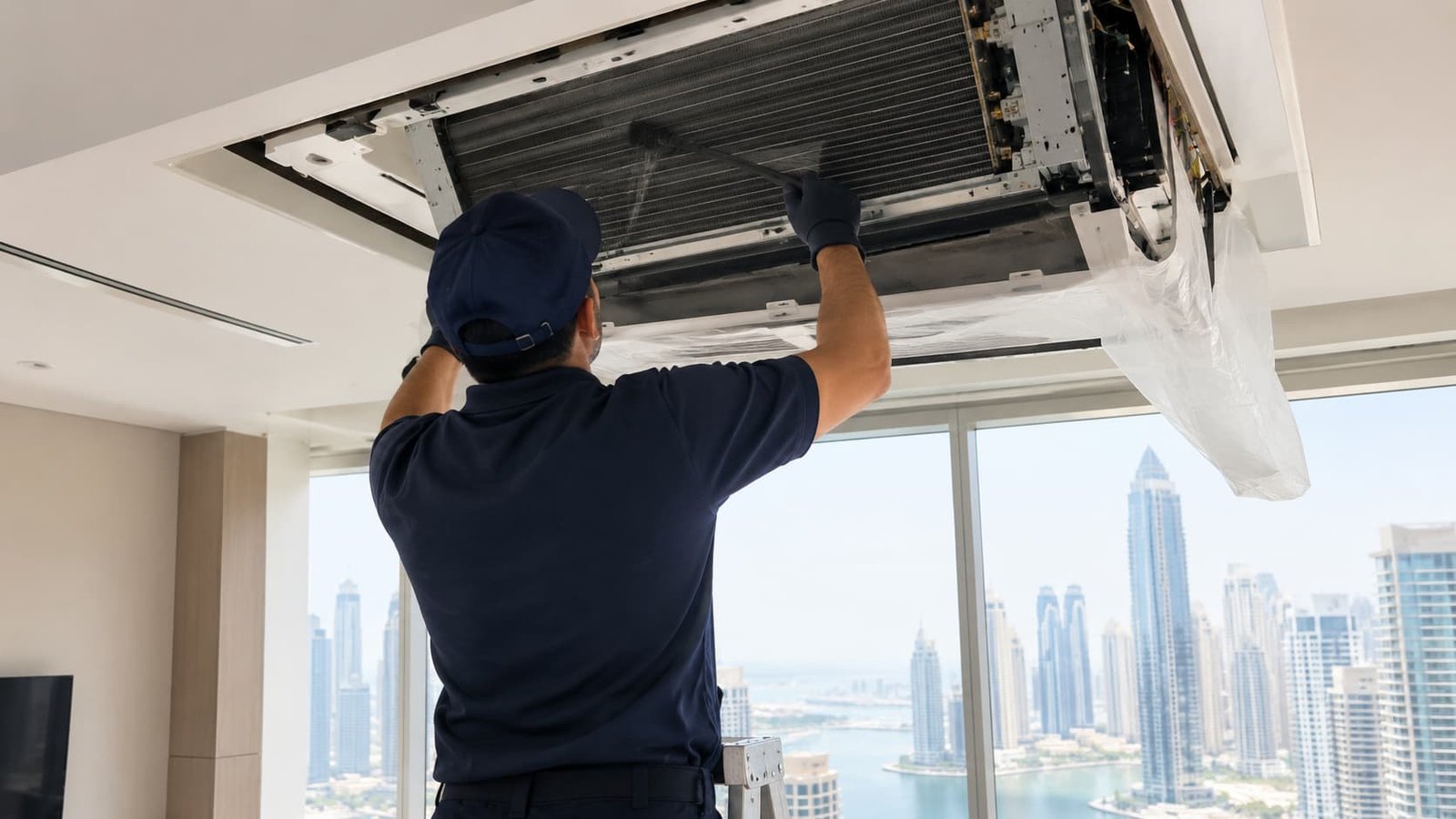
After a Dubai summer, your A/C has likely run close to nonstop for five months in heat above 45°C and heavy humidity. Autumn is the right time to service it: clean the coils and filters, clear the drain line, check the ducts for dust and mould, and test how cold the air actually is.
Doing this now fixes the wear from summer and costs far less than an emergency callout next June.
Why autumn is the best time to service your A/C
Most people book A/C servicing in April or May, just before the heat arrives. That's when every company is fully booked and prices are at their firmest. October and November are quieter, so you get better availability and more time for the technician to do the job properly.
It's also the moment the damage from summer is freshest. Months of condensation build up slime in drain lines, dust packs into coils, and small refrigerant leaks show up as weaker cooling. Catching these now means a simple repair instead of a failed unit in peak season.

Your post summer A/C checklist
1. Filters
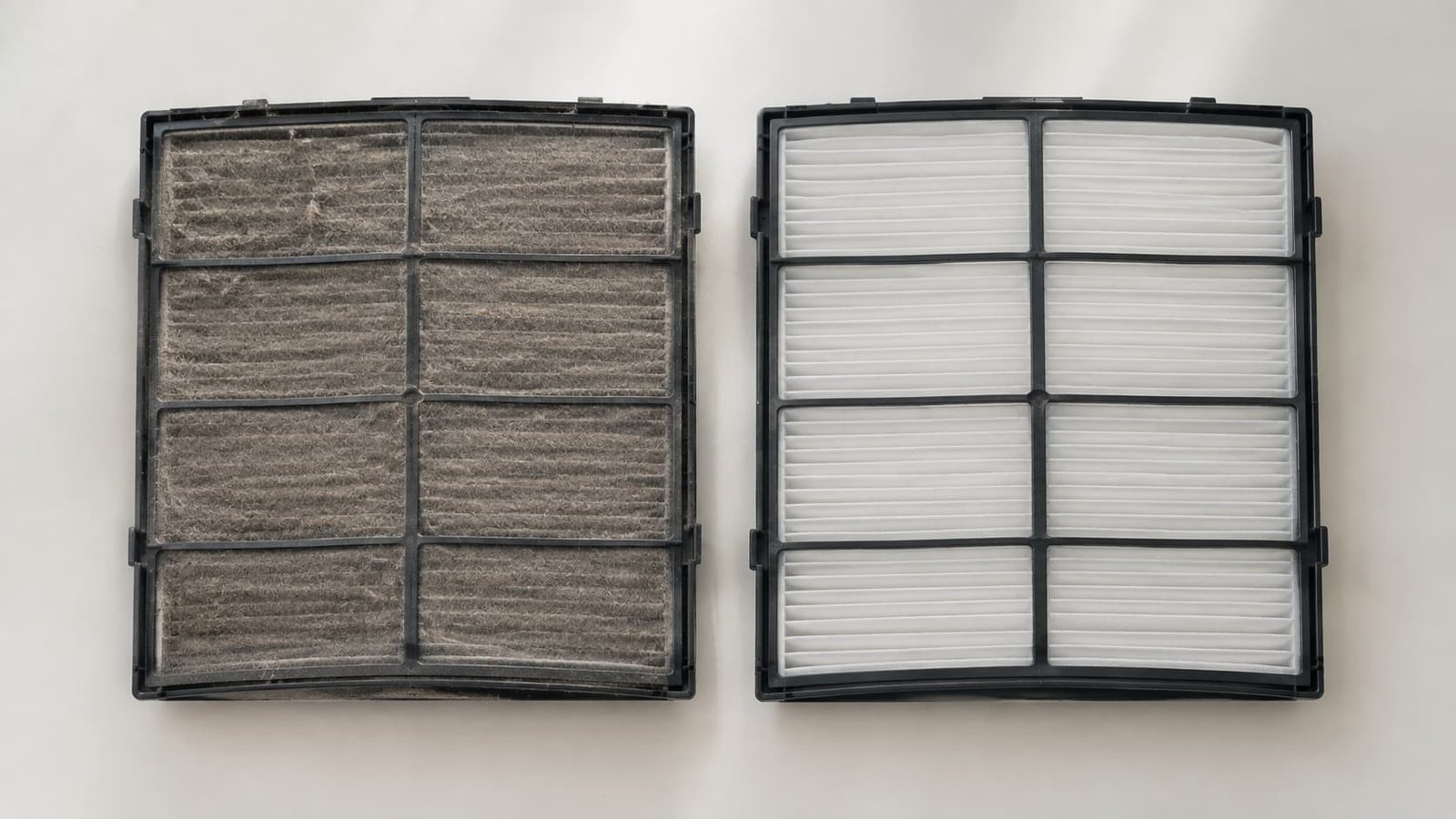
Filters in Dubai clog faster than almost anywhere, thanks to fine sand and dust. If yours haven't been washed in the last month, they're restricting airflow and making the unit work harder. Most can be rinsed and dried at home.
2. Coils
The evaporator coil inside the unit collects dust that filters miss. A dirty coil means weaker cooling and higher DEWA or district cooling bills. This needs a proper chemical clean, not just a quick wipe.
3. Drain line and drain pan
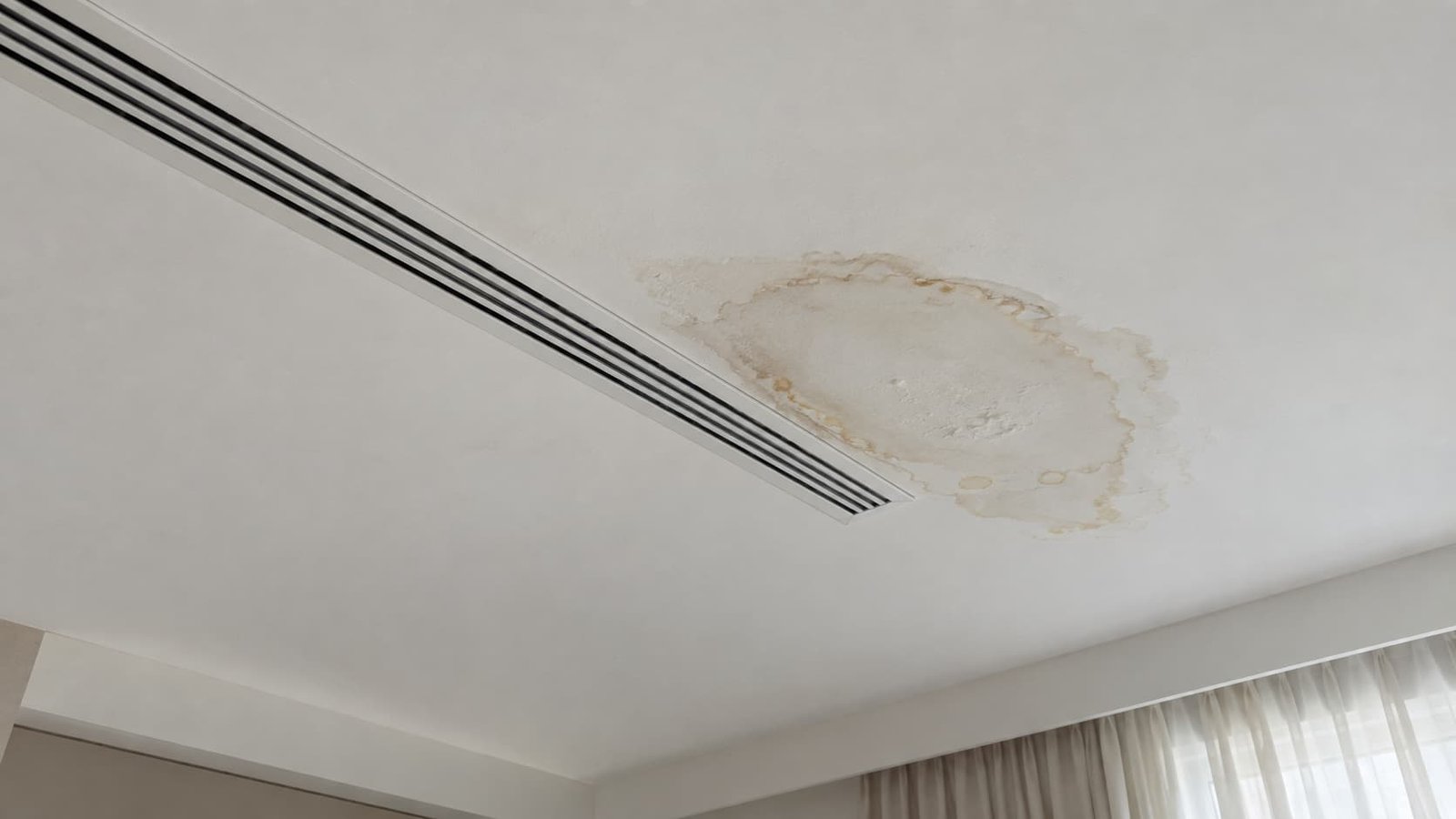
This is the most common cause of ceiling leaks in Dubai apartments. High humidity means constant condensation, and the drain line slowly fills with algae and sludge. If you've noticed water stains on the ceiling near a vent, this is almost always why. If the leak has already spread, our plumbing and leak repairs in Dubai cover the pipework side.
4. Ducts
In villas and larger apartments with ducted systems, dust and mould settle inside the ductwork over summer. Signs include a musty smell when the A/C starts, dust around the grilles, or family members sneezing more indoors.

5. Refrigerant level
If the air feels cool but not cold, or the unit runs constantly without reaching the set temperature, the gas may be low. That usually means a small leak, which should be found and sealed rather than just topped up.
6. Thermostat and noise
Check that the thermostat responds properly and listen for rattling, humming or clicking. Noise usually means a loose part or a fan motor starting to wear out. For thermostat wiring and power faults, see our electrical services in Dubai.
Apartment vs villa: who handles what
Many towers in areas like Dubai Marina, Downtown and Business Bay run on district cooling, with a fan coil unit (FCU) inside each apartment. The building usually maintains the central plant, but the FCU, filters and drain line inside your unit are typically your responsibility, or your landlord's, depending on your tenancy contract.
Villas in communities like Arabian Ranches, The Springs and Jumeirah Park usually have ducted split or package units, so everything from the outdoor unit to the ductwork falls on the owner. If you're a tenant, check your contract before booking, as some landlords include A/C maintenance.
Want to know what your home needs? Get an instant estimate at quote.mostreno.com or message us on WhatsApp at +971 58 198 4007.
Typical A/C maintenance costs in Dubai (estimates)
These are estimates. Final prices depend on the number of units, access, and the condition of the system.
A tip from the job site
Before you call anyone, grab a cheap kitchen thermometer. Hold it at a return grille (where air gets sucked in) for a minute, then at a supply grille (where cold air comes out). On a healthy system, the difference is usually around 8 to 12°C. If it's much smaller, your coil is dirty or your gas is low.
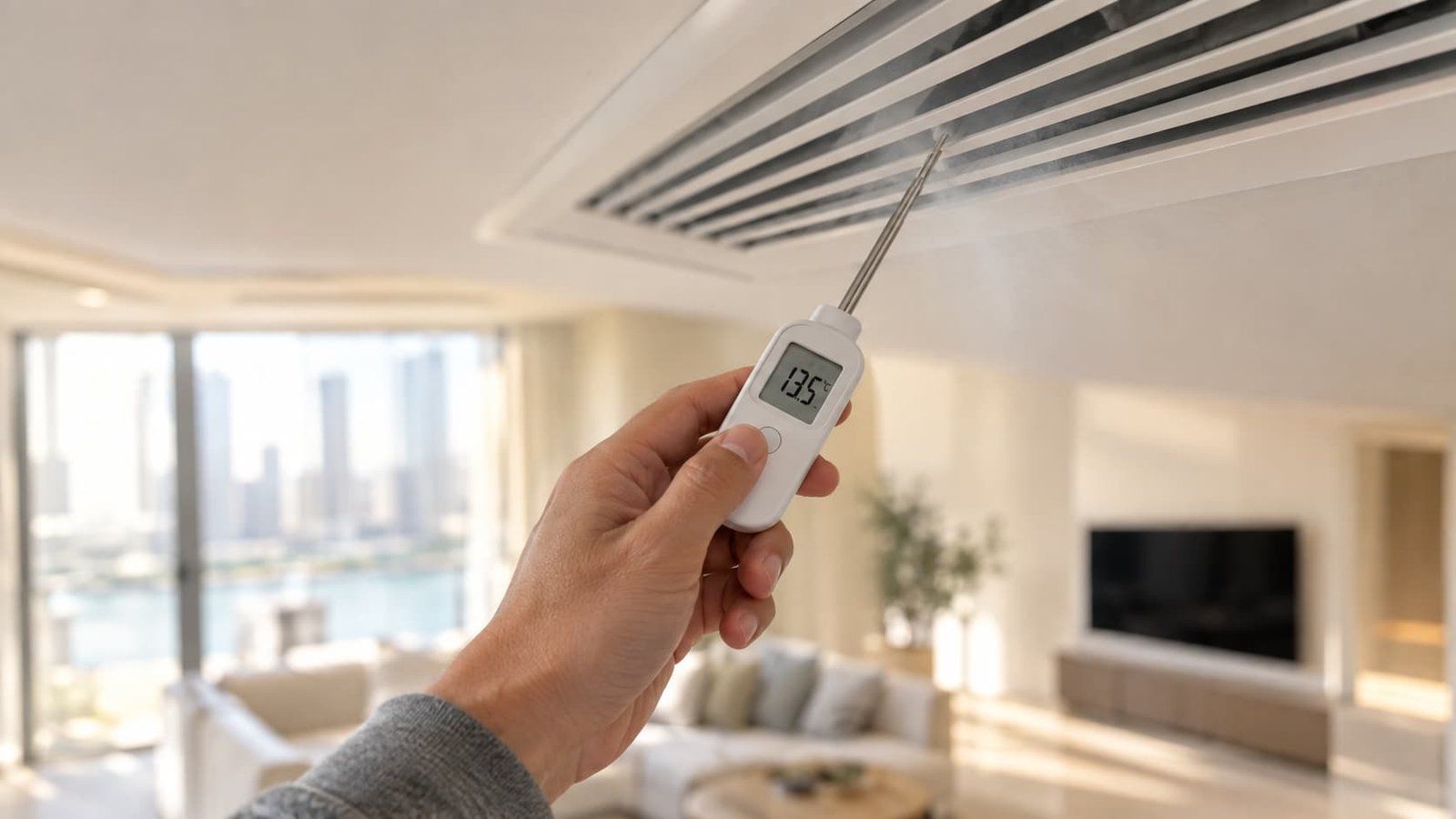
It takes two minutes, and it tells you whether you need a basic service or a proper diagnosis, so nobody can upsell you on work you don't need.
One more thing we see constantly: FCUs hidden above sealed gypsum ceilings with no access hatch. If your technician has to cut the ceiling every visit, ask for a proper hatch to be installed once. It pays for itself within a year.
Should you get an annual maintenance contract?
If you have three or more units, or you own a villa, an annual maintenance contract usually works out cheaper than booking services one at a time. It typically covers two to four scheduled visits a year plus priority callouts. For a single unit apartment, a good service twice a year (autumn and spring) is often enough.
Having worked on homes through harsh Canadian winters before bringing that experience to Dubai summers, our view is simple: extreme climates reward regular maintenance and punish neglect. Your A/C is no different.
Frequently asked questions
How often should A/C be serviced in Dubai?
At least twice a year, ideally in autumn after the summer and in spring before it. Filters should be cleaned monthly during the hot months because dust builds up quickly here.
Why is my A/C leaking water from the ceiling?
Almost always a blocked drain line or an overflowing drain pan. Humidity creates constant condensation, and algae slowly clogs the line. Clearing it early prevents ceiling damage and mould, and if a stain is already there, see our guide to repainting ceiling water stains.
Is A/C maintenance the tenant's or landlord's responsibility in Dubai?
It depends on your tenancy contract. Routine servicing is often the tenant's job, while major repairs and replacements usually fall on the landlord, so check your contract before booking.
Do I really need duct cleaning?
If you notice a musty smell, dust around the vents, or allergy symptoms indoors, yes. Most ducted systems in Dubai benefit from a clean every one to two years.
Can I service my A/C myself?
You can wash filters and check the air temperature yourself. Coil cleaning, drain clearing and anything involving refrigerant should be done by a trained technician.